
What your workplace rage says about you (and what to do about it) Written By Cari Borden
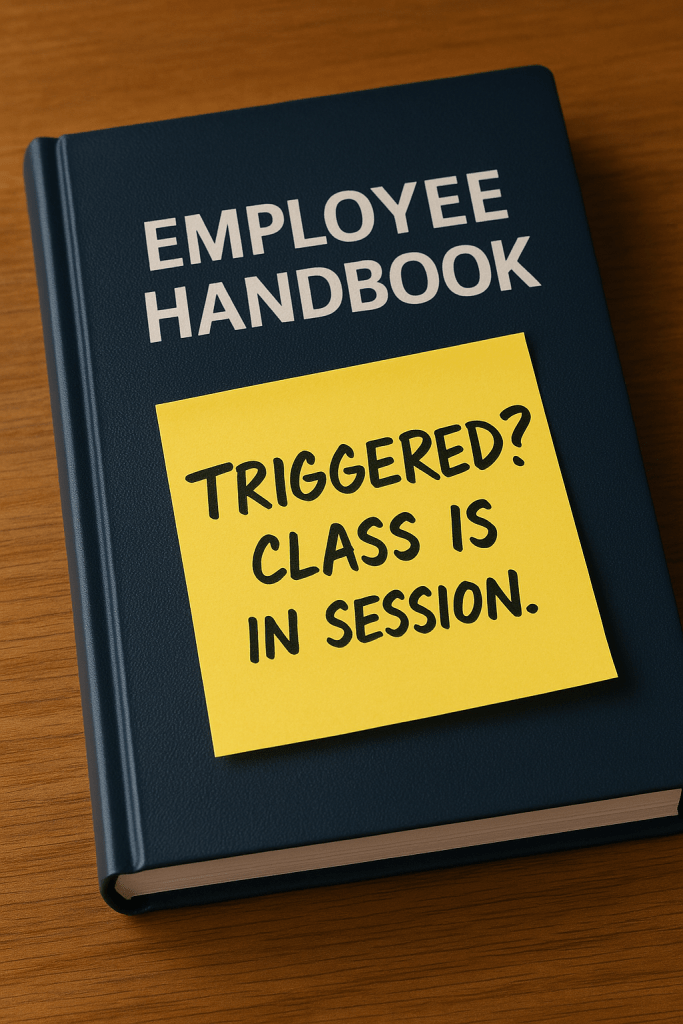
Ever find yourself irrationally irritated by a Slack message that says, “Per my last email…”?
Or maybe your blood pressure spikes when a certain coworker gets praised, and you think: Of course they did.
Congratulations. You’re human.
Also, you’re probably being taught something but not by them. By the trigger.
Workplace triggers are like emotional potholes.
They jolt you when you least expect it, mess with your smooth ride, and reveal that something under the surface hasn’t quite been patched up. Most of us try to speed past them with a “just ignore it” mindset or worse go full speed into reactive mode. Neither teaches the lesson.
But here’s the kicker: triggers are terrible teachers. They show up unannounced, dress like warning signs, and communicate in passive-aggressive tones. But if you slow down, they’re trying to hand you a syllabus on:
1. What You Actually Value
If micromanagement sets you off, maybe you deeply value autonomy.
If cliques and “inner circles” infuriate you, maybe fairness and inclusion are at your core.
Triggers scream, this violates something I care about. Start there.
2. Past Wounds Dressed in Office Casual
That icy silence from your boss may not just be annoying it might feel familiar.
Maybe it echoes a past experience where silence meant rejection or danger.
Triggers love dragging unresolved stories into your present moment. The good news? That means they’re also pointing you toward healing.
3. Weak or Missing Boundaries
That gnawing resentment after saying “yes” when you wanted to say “no”?
Classic trigger. Your body is telling you, I need better boundaries next time.
Triggers don’t just expose others, they expose you, too.
4. Inner Saboteurs Sounding the Alarm
Sometimes it’s not the external situation at all it’s Imposter Irene, Perfectionism Patty, or Ego Eddie hijacking your narrative.
They say things like:
- “You’re not good enough.”
- “You should have known better.”
- “Everyone saw you mess up.”
Sound familiar? If so, take this self-awareness assessment to figure out which voice is running the show.
So… What Now?
You’ve got two choices:
- Keep reacting, blaming, bottling it up.
- Start learning what the trigger is really here to teach you.
The second choice is uncomfortable, but it leads to growth, emotional intelligence, and (eventually) peace of mind. And guess what? You don’t have to figure it out alone.
💬 Ready to stop spiraling and start healing?
- 🧠 Take the Leadership Self-Awareness Assessment to understand your internal patterns.
- 🤝 Need help navigating your workplace triggers? Find a mentor on Fiverr—maybe even me.
- ✍️ Subscribe to the blog and check out my other posts on emotional intelligence, feedback, and coaching up.
Final Thought:
Every trigger might just be a teacher in a really bad outfit.
You don’t have to love the delivery… but you’d be wise to take notes.
 Lead With Your Heart
Leave a comment